


Colon Cancer Treatment in Chennai
Found early, colon cancer is often cured with surgery alone. Keyhole colectomy is done in-house at Unittas.
A change in bowel habits, blood in the stool or tiredness you cannot explain can be worrying. Getting checked early is the best way to find out what is going on. At Unittas Hospital, our cancer and GI surgeons diagnose colon cancer and remove it, using keyhole surgery where possible. We also arrange any further treatment you need.
What Is Colon Cancer?
Colon cancer starts in the large bowel. It usually grows from small lumps called polyps that turn cancerous slowly, over several years. That is why finding and removing polyps early prevents many cancers.
It is more common after the age of 45, but younger people can get it too. Your risk is higher if you have:
- A parent, brother or sister with bowel cancer or polyps
- Ulcerative colitis or Crohn's disease (see types of IBD)
- A diet low in fibre and high in processed meat
- Obesity, smoking or heavy drinking
Symptoms of Colon Cancer
Early colon cancer often causes no symptoms. Get checked if any of these last more than two weeks:
- A lasting change in bowel habits, such as diarrhoea, constipation or thinner stools
- Blood in the stool or bleeding from the back passage
- Ongoing stomach cramps, pain or bloating
- A feeling that the bowel has not emptied fully
- Weight loss or tiredness without a clear reason
- Anaemia (low blood count) from slow, hidden bleeding
Not sure if your symptoms need a test? Read bowel habit changes that need a colonoscopy and rectal bleeding: piles or something more serious?
How Colon Cancer Is Diagnosed
- Colonoscopy. The key test. A thin camera looks inside the bowel and takes small samples (biopsies). See colonoscopy and endoscopy cost.
- CT or MRI scan. Shows whether the cancer has spread to the liver, lungs or lymph nodes.
- Blood tests. Check for anaemia and, in some cases, a tumour marker called CEA.
- Staging. Brings the results together to decide the best treatment.
Colon Cancer Treatment at Unittas Hospital
Surgery (colectomy)
The part of the bowel with the cancer is removed, along with nearby lymph nodes. The healthy ends are then joined. Keyhole surgery means smaller scars, less pain and a shorter stay.
Chemotherapy
Often given after surgery to lower the chance of the cancer coming back. It is also used when the cancer has spread.
Targeted therapy and immunotherapy
Newer drugs for advanced cancer or certain gene changes found in the tumour.
Radiation therapy
Rarely needed for colon cancer. It is used far more often for rectal cancer.
Supportive care
Diet advice from our nutrition team, pain relief, stoma care and emotional support.
Your Cancer and GI Surgeons
Dr Vigneshwar T
Dr Vigneshwar performs keyhole and open colectomy and rectal cancer surgery. When cancer has spread inside the abdomen, he offers HIPEC for selected cases.
- Laparoscopic colectomy
- Rectal cancer surgery
- Cytoreductive surgery + HIPEC
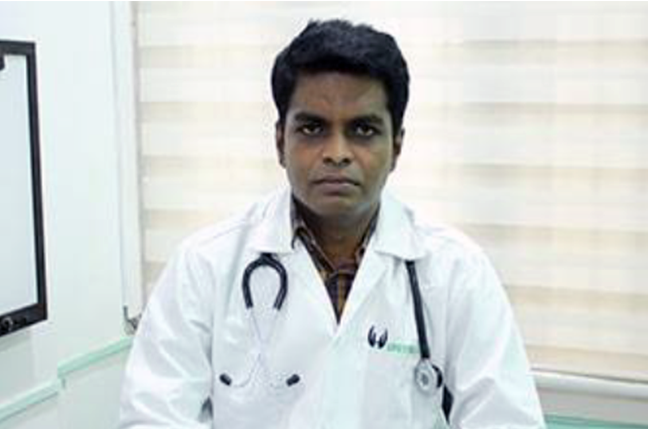
Dr Chandra Bose Ambedkar
Dr Chandra Bose treats bowel, stomach and liver conditions, including colon cancer, with advanced laparoscopic surgery. Patients closer to Tambaram can start their care with him.
Treatment by Stage of Colon Cancer
| Stage | Usual approach |
|---|---|
| Stage 0 and I | Surgery alone, which is often curative. Some very early cancers are removed during colonoscopy. |
| Stage II | Surgery, with chemotherapy added if the cancer has high-risk features. |
| Stage III | Surgery followed by chemotherapy. |
| Stage IV | Chemotherapy and targeted drugs, with surgery when the spread can be removed. |
Recovery and Follow-up
After keyhole surgery, most people go home within a week and return to light activity in a few weeks. Some patients need a stoma, an opening on the tummy that collects stool in a bag. It is usually temporary and closed later. Our team teaches you how to manage it.
Follow-up visits include blood tests, scans and colonoscopy. They are most frequent in the first two to three years, when any return of the cancer is most likely.
Frequently Asked Questions
Can colon cancer be cured?
Yes. Early colon cancer is often cured with surgery alone. Even advanced cancer can often be controlled well with combined treatment.
Is surgery always needed?
Surgery is the main treatment for most colon cancers. A very early cancer inside a polyp can sometimes be removed during colonoscopy without an operation.
Will I need a permanent colostomy bag?
Most people having colon cancer surgery do not. A temporary stoma is sometimes made to let the joint heal, and it is closed a few months later.
How long does chemotherapy last after surgery?
Usually three to six months, depending on the stage and the drugs used.
What are the side effects of chemotherapy for colon cancer?
Tiredness, nausea, poor appetite and low blood counts are common. They are usually temporary and are managed with medicines and regular checks.
Is radiation used for colon cancer?
Rarely. Radiation is used much more often for cancer in the rectum, the last part of the bowel.
How soon can I return to normal activities?
After keyhole surgery, many people resume light daily tasks in 1 to 3 weeks. Full recovery takes 4 to 6 weeks or more.
Does colon cancer run in families?
A family history raises your risk, especially if a relative was diagnosed young. Your doctor may advise genetic counselling and earlier screening.
Can screening prevent colon cancer?
Yes. Screening finds polyps and removes them before they turn into cancer. It also finds cancer early, when it is easier to treat.
Can young adults get colon cancer?
Yes. It is more common after middle age, but cases in younger adults are rising. Never ignore lasting symptoms because of your age.
Can diet and lifestyle help after treatment?
Yes. Eat plenty of vegetables, fruit and whole grains, and cut down on processed meat. Stay active, keep a healthy weight, and avoid tobacco and excess alcohol.
How often are follow-up checks needed?
More often in the first two to three years, then less often. Checks include blood tests, scans and colonoscopy.
Related Cancer Care Pages
Worried About Bowel Symptoms?
Book a visit with our cancer or GI surgeon. We will check your symptoms, arrange a colonoscopy if needed, and explain every result.