


Quick Navigation
- What Are Stomach Worms?
- How Do Stomach Worms Enter the Body?
- What Are the Main Causes of Worm Infection?
- What Symptoms Do Stomach Worms Cause?
- Who Is Most at Risk?
- How Can You Prevent Worms at Home?
- How Are Stomach Worms Diagnosed and Treated?
- When Should You See a Doctor?
- Frequently Asked Questions
Stomach worms, or intestinal worms, are parasites that enter the body mainly through the mouth: unwashed hands, contaminated water or food, and eggs picked up from soil. Hookworm can also enter through bare feet. Children are most at risk. Symptoms include tummy pain, itching around the bottom, poor appetite and weight loss. Deworming should be doctor guided.
Stomach worms, also called intestinal worms or helminths, are parasites that live in the human gut. They are more common where sanitation is limited, but anyone can pick them up through ordinary daily habits. In a household they pass from one person to the next. Children, with hands in soil and then in mouths, are the most frequent hosts.
This guide explains how the infection gets in and which worms spread which way. It covers the symptoms to watch for in children and adults, and the simple habits that break the cycle for the whole family.
Key Takeaways
- Worm eggs and larvae enter mainly through the mouth, from unwashed hands, unsafe water, unwashed produce or undercooked meat; hookworm larvae can also enter through bare feet.
- Roundworm, hookworm, whipworm, pinworm (threadworm) and tapeworm are the common types, and each has a typical route in.
- Many infections cause no symptoms; when they do, look for tummy pain, poor appetite, itching around the bottom at night, weight loss or poor growth, and worms in the stool.
- Hand washing with soap, safe water, washed and cooked food, footwear outdoors and short clean nails prevent most infections.
- Deworming works, but it should be doctor guided, especially for children under 2 and pregnant women, and usually covers the whole household.
What Are Stomach Worms?
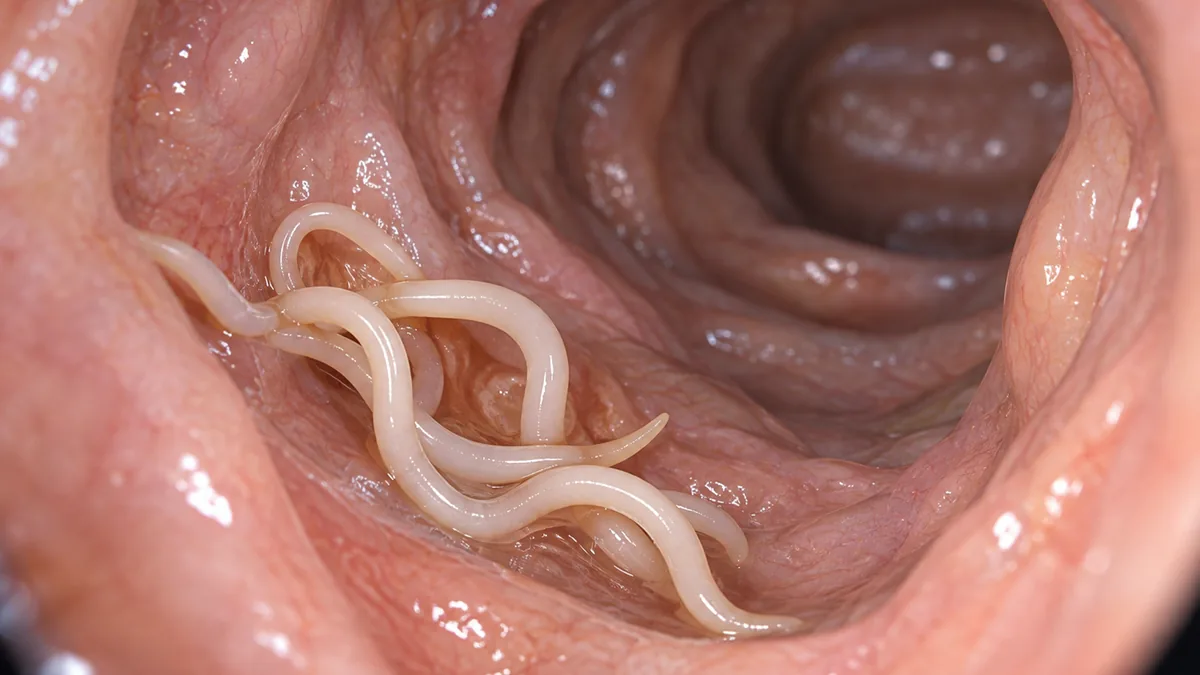
The name is a little misleading. These parasites mostly live in the intestines rather than the stomach, which is why doctors call them intestinal worms (you may also hear "worm infestation"). Adult worms settle in the gut, feed there, and lay eggs that pass out in the stool. Those eggs then wait in soil, water or on surfaces for the next person.
The common types are roundworm (Ascaris), hookworm, whipworm, pinworm (threadworm) and tapeworm. They range from a few millimetres to many centimetres long. Most cause mild illness; a heavy load, especially in a small child, can cause real harm.
How Do Stomach Worms Enter the Body?
So how do you get worms? Almost every worm infection starts the same way: eggs or larvae get into the mouth and are swallowed. The exception is hookworm, whose larvae burrow through the skin of bare feet. Once inside, the worms mature in the intestines. What differs is how the eggs reached the mouth, and that is where prevention lives.
| Worm | How it usually gets in | Typical clue |
|---|---|---|
| Roundworm (Ascaris) | Eggs in contaminated soil or on unwashed food | Tummy pain; a long worm passed in stool or vomit |
| Hookworm | Larvae in soil entering through the skin of bare feet | Tiredness and paleness from anaemia; itchy feet where larvae entered |
| Whipworm | Eggs in soil reaching the mouth | Diarrhoea and tummy pain in heavier infections |
| Pinworm (threadworm) | Eggs on hands, nails, bedding and clothing reaching the mouth | Itching around the bottom at night, especially in children |
| Tapeworm | Undercooked pork or beef containing larvae | Flat white segments in the stool; often few other symptoms |
What Are the Main Causes of Worm Infection?
In practice, a handful of everyday situations account for almost all infections:
- Unsafe drinking water: untreated or unfiltered water can carry eggs or larvae, especially where sources are shared with animals or affected by poor sanitation.
- Poor hand hygiene: touching soil, surfaces or objects carrying eggs, then eating or putting fingers in the mouth. Eggs lodge under nails and transfer easily.
- Contaminated food: raw vegetables and fruit washed in unsafe water, and meat that is not cooked through; tapeworm from undercooked pork or beef is the classic example.
- Walking barefoot on soil where human waste has been, which is how hookworm larvae reach the skin.
- Close household contact and reinfection: eggs spread on shared towels, bedding and surfaces. Pinworm is the champion, because its eggs cause itching and scratching carries them back to the mouth.
- Open defecation and poor sanitation, which seed soil and water with eggs and keep the cycle going in a community.
What Symptoms Do Stomach Worms Cause?
Many people with a light infection have no symptoms and only find out from a stool test or a worm in the toilet. When symptoms appear they tend to be vague, which is why worms are often missed for months. Look for:
- Tummy pain, bloating or discomfort that comes and goes
- Loose stools, or alternating diarrhoea and constipation
- Nausea, poor appetite, or feeling full quickly
- Itching around the bottom, particularly at night (classic for pinworm), and disturbed sleep
- Weight loss in adults, or a child not gaining weight or growing as expected
- Tiredness and pale skin from anaemia, especially with hookworm
- Worms or worm segments visible in the stool, or occasionally vomited up
Worms in children often show up first as restlessness at night, poor concentration at school and a swollen tummy. Because these symptoms overlap with many ordinary gastric complaints, a stool test is the reliable way to tell them apart.
Who Is Most at Risk?
- Young children who play in soil and put their hands in their mouths
- Families living or travelling where clean water and sanitation are limited
- People who eat street food or raw produce that has not been washed properly
- Anyone with poor nail hygiene or long nails, which trap eggs
- People sharing a home with someone who already has worms
- Those who walk barefoot outdoors, especially farm workers and children
Malnutrition and heavy worm infection feed each other. Poor nutrition weakens resistance, and worms then rob the body of nutrients, so affected children need treatment and better nutrition together.
How Can You Prevent Worms at Home?
Worm infection prevention is unglamorous and highly effective. The same handful of habits, done every day, protects the whole family:
- Wash hands with soap before eating or cooking and after using the toilet; teach children to do the same after play.
- Drink safe water: boiled, properly filtered or treated.
- Wash fruit and vegetables in clean water and peel where possible; cook meat all the way through.
- Wear footwear outdoors, especially on soil.
- Keep nails short and clean; discourage nail biting.
- Wash bedding, towels and underwear in hot water when someone in the house is being treated for pinworm, and do not share towels.
- Deworm pets regularly and clean up pet waste promptly.
About deworming tablets
Deworming medicine is safe and effective when a doctor prescribes it, and it usually covers the whole household so nobody re-seeds the home. Do not self-dose children, especially under 2, or take a dewormer in pregnancy without medical advice. Your doctor will decide the medicine, the dose and whether a repeat is needed.
How Are Stomach Worms Diagnosed and Treated?
Diagnosis is usually simple: a stool examination looks for eggs or worm segments, sometimes on more than one sample because eggs are shed on and off. For pinworm, a clear tape test around the bottom first thing in the morning is often used. A blood count may show anaemia.
Treatment is a doctor-prescribed deworming course, chosen for the type of worm and the age of the patient. It goes together with the hygiene steps above, so the infection does not come straight back. Most people feel better within days. Persistent or heavy infections, or worms in a very small child, are best managed by a gastroenterologist or paediatrician.
When Should You See a Doctor?
See a doctor within a few days if you notice worms in the stool, night-time itching around the bottom, ongoing tummy discomfort or unexplained weight loss. The same goes for a child who is pale, tired, off food or not growing well. A general physician can arrange the stool test and prescribe treatment for the family, or you can start with an online paediatric consultation if the worry is a child.
Get urgent care if
- Severe tummy pain with vomiting and a swollen belly; a heavy roundworm load can block the bowel
- Blood in the stool
- A worm vomited or coughed up
- A child who is very drowsy, dehydrated or breathless
None of these is a wait-and-see situation or a job for a home remedy: go to the nearest emergency department.
Stomach worms are common, preventable and very treatable. Clean water, washed and cooked food, soap on hands and shoes on feet stop most infections before they start. If symptoms appear, a simple stool test and doctor-guided deworming for the household settle it, without guesswork.
Frequently Asked Questions
Can you get stomach worms from pets?
Some worms can pass between animals and people, especially where hygiene around pet waste is poor. Regular deworming of pets and hand washing after handling them lowers the risk.
Does eating raw vegetables always cause worms?
No. The risk comes from vegetables grown in contaminated soil or washed in unsafe water. Washing in clean water, peeling and cooking lower the chance a great deal.
Can adults get stomach worms as easily as children?
Yes. Adults are infected by the same routes, but children have higher rates because of play habits and hand-to-mouth contact.
Can stomach worms spread through the air?
No. Spread is almost always by swallowing eggs or larvae, or, for hookworm, through the skin of bare feet.
Can you get worms from kissing or sharing food?
Direct spread through saliva is uncommon. The real risk is eggs transferred by unwashed hands or contaminated surfaces and utensils.
Why do some people get reinfected repeatedly?
Usually because eggs remain in the home environment, on bedding, nails and surfaces, or because only one family member was treated. Treating the household and cleaning together breaks the cycle.
Can bottled or filtered water still contain worm eggs?
Properly treated bottled or filtered water is generally safe. The risk is with untreated well, pond or river water.
How long can worm eggs survive outside the body?
Many eggs stay viable in soil or on surfaces for weeks or even months in the right conditions. That is why cleaning and hand washing matter as much as the tablets.
How often should children be dewormed?
That depends on age, local risk and whether they have symptoms. Ask your paediatrician rather than following a fixed schedule from a chemist, and never dose a child under 2 without medical advice.
Can worms cause anaemia?
Yes. Hookworm in particular feeds on blood from the gut wall and is a common cause of iron-deficiency anaemia in children and women where it is widespread.
Worried about worms in your child or yourself?
A simple stool test and doctor-guided deworming are all most families need.
Get Worms Diagnosed and Treated Properly
Book a consultation with a general physician, paediatrician or gastroenterologist at Unittas Hospital, Chennai. Bring the whole family's questions; reinfection is easier to prevent together.