


Quick Navigation
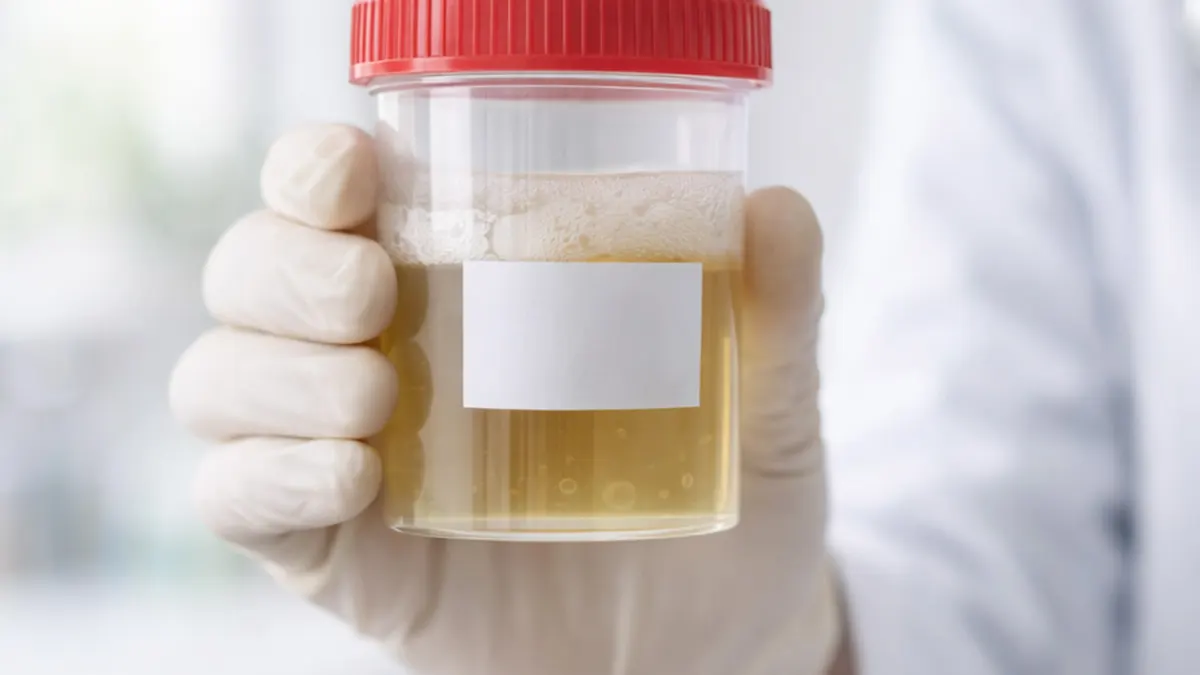
Noticing bubbles or foam in your urine can be alarming, but it's a common observation for many people. Foamy urine often appears as a persistent layer of froth that lingers in the toilet bowl, unlike quick-dissolving bubbles. While occasional bubbles are usually harmless, consistent foaming may signal something worth checking. We will break down what does foamy urine mean, common reasons behind it, and when it's time to seek advice, all in straightforward terms to help you feel more informed.
Normal Small Bubbles in Urine vs Persistent Foam
It's perfectly normal to see some bubbles when you urinate, especially if the stream is forceful or hits the water directly. These normal small bubbles in urine tend to pop quickly and disappear after a flush.
In contrast, true foamy urine creates a thicker, soap-like froth that may take several flushes to clear. This difference often points to changes in urine composition rather than just the way it's passed.
Why Does My Urine Have Bubbles? Common Causes
Several everyday and medical factors can lead to bubbles or foam. Here's a clear overview:
Dehydration, When fluid intake is low, urine becomes more concentrated, making it more likely to foam.
Forceful Urination, A strong stream into the toilet bowl can create temporary bubbles, similar to water from a fast tap.
Toilet Cleaners or Residues, Chemical residues in the bowl may react with urine to produce foam.
Protein in Urine (Proteinuria), Excess protein, particularly albumin, acts like a detergent and causes persistent foam. This is often linked to kidney stress.
Kidney-Related Conditions, Issues such as chronic kidney disease, glomerular problems, or damage from diabetes/high blood pressure can allow protein leakage.
Other Factors, Urinary tract infections, intense exercise, certain metabolic disorders, or in men, retrograde ejaculation (where semen enters the bladder).
Frothy pee in the morning is sometimes noticed due to overnight concentration of urine.
Associated Symptoms to Watch For
Foamy urine alone may not cause other issues, but when linked to an underlying problem, you might notice:
Swelling in the legs, ankles, feet, face, or around the eyes (due to fluid retention)
Fatigue or weakness
Changes in urine colour (darker, cola-like, or with visible blood)
Reduced urine output or frequent urges
Nausea, loss of appetite, or muscle cramps
Shortness of breath in more advanced cases
If foam occurs without these, it may be benign, but patterns matter.
Are Bubbles in Urine Serious? When to Worry
Most occasional bubbles are not a concern. However, persistent or worsening foam, especially with other symptoms, deserves prompt attention. Seek medical advice if:
Foam is consistent across multiple urinations
It forms a thick layer that doesn't clear easily
You have swelling, fatigue, or urine changes
There is blood, pain, or burning during urination
You have known conditions like diabetes, high blood pressure, or kidney issues
Early checks can identify reversible causes and protect long-term health.
Diagnosis and Next Steps
A healthcare professional typically starts with:
A discussion of your symptoms, fluid habits, and medical history
Urine dipstick test to detect protein, blood, or infection
Urine protein quantification (e.g., spot or 24-hour collection)
Blood tests for kidney function (creatinine, eGFR)
Ultrasound if structural concerns arise
These simple steps help pinpoint whether the issue is harmless or needs further management.
Management and Treatment Approaches
| Cause Category | Management Strategies |
|---|---|
| Dehydration or Concentrated Urine | Increase daily water intake to dilute urine; aim for pale yellow colour. |
| Benign/Transient Factors | Adjust urination habits; ensure the toilet is clean of residues. |
| Proteinuria/Kidney Stress | Control contributing conditions (e.g., blood sugar or pressure management); medications like ACE inhibitors or ARBs to reduce protein loss; lifestyle tweaks (low-salt diet, exercise, no smoking). |
| Infections or Other Issues | Antibiotics for UTIs; specific therapies for rare conditions. |
Treatment always targets the root cause:
Many cases improve significantly with these steps, especially when addressed early.
Tips for Prevention and Kidney Health
Simple habits can reduce risks:
Drink plenty of fluids throughout the day.
Monitor for patterns in urine appearance.
Maintain healthy blood pressure and blood sugar levels.
Eat a balanced diet low in excess salt and processed foods.
Stay active and manage weight.
Attend regular check-ups if you have risk factors.
In conclusion, while what are causes of foamy urine range from minor to more significant, paying attention to changes empowers you to act wisely. If you're concerned about persistent foam or related symptoms, professional guidance can provide clarity and peace of mind. Consider consulting specialists at Unittas Hospital for thorough evaluation and support.
Frequently Asked Questions
Is foamy urine always a sign of kidney problems?
No, many cases stem from harmless causes like dehydration or fast urination; only persistent foam with other signs may indicate issues.
How much water should I drink to reduce foamy urine?
Aim for 2-3 litres daily, adjusting for activity and climate, until urine is pale yellow.
Can pregnancy cause foamy urine?
Yes, due to increased concentration or pressure on kidneys; consult your doctor if persistent.
Does diet affect urine foam?
High-protein diets or certain foods can contribute temporarily, but extreme changes warrant checking protein levels.
What if foamy urine happens only after exercise?
Intense activity can cause temporary proteinuria; it usually resolves with rest and hydration.
Is foamy urine linked to high cholesterol?
Indirectly, through conditions like diabetes or kidney strain, but not directly.
Can medications cause foamy urine?
Some drugs affecting kidneys or protein handling may contribute; discuss with your doctor.
How long should I wait before seeing a doctor about foamy urine?
If it persists for several days or accompanies swelling/fatigue, seek advice sooner rather than later.
Does alcohol make urine foamier?
Excessive alcohol can dehydrate you, concentrating urine and increasing foam risk.
Can children have foamy urine concerns?
Yes, similar causes apply; in kids, it's worth prompt evaluation to rule out issues.
Is there a home test for protein in urine?
Over-the-counter dipsticks exist, but professional lab confirmation is more reliable.
Does foamy urine ever indicate cancer?
Rarely, but persistent unexplained foam with other symptoms should be investigated.
Can holding urine too long cause foam?
Yes, it concentrates urine; regular emptying helps maintain normal flow.
What tests come after a positive protein dipstick?
Often blood work, repeat urine samples, or imaging to assess kidney health.
Is foamy urine reversible?
In many cases, yes, especially if caught early and underlying causes like dehydration or controllable conditions are managed.
Does stress play a role in foamy urine?
Indirectly, through dehydration or blood pressure effects, but it's not a primary cause.
Can I ignore occasional morning foam?
If it's infrequent and without symptoms, likely harmless; track it and consult if it increases.
Need a Urology Consultation?
Our urology experts handle kidney, prostate & urinary conditions with latest tech.
Get Expert Care at Unittas Hospital
Our caring specialists are here to guide you through every step with safe, evidence-based care.