


Quick Navigation
Imagine finally taking charge of your future, deciding when your family feels complete, all without the constant stress of contraception. It is a separate decision from treating any underlying gynaecological condition. For countless women around the globe, the tubectomy procedure brings that sense of security. This straightforward yet impactful procedure has become a popular option for permanent birth control, particularly in areas where family planning is crucial for health and stability.
If you're interested in learning more about what it entails, why women opt for it, and what to expect, you've come to the right spot. Let's dive into the details step by step.
What Is Tubectomy?
Tubectomy, commonly known as tubal ligation or female sterilization, is a surgical procedure designed to provide permanent birth control. It works by blocking, cutting, or sealing the fallopian tubes, the slender tubes that transport eggs from the ovaries to the uterus. With these tubes closed off, sperm can't reach the egg, which means fertilization just can't occur.
- Effectiveness: It's over 99% effective as a contraceptive method
- Key benefit: May reduce the risk of ovarian cancer, especially for those with genetic factors like BRCA mutations
- When it's performed: Can be done as standalone procedure, after vaginal delivery, during C-section, or with other abdominal surgeries
Important Things to Know
Tubectomy won't stop your periods or affect your hormones, the ovaries continue to function normally. It also doesn't provide protection against sexually transmitted infections (STIs), so using condoms is still important. While it's possible to reverse a tubectomy through microsurgery, it's a complex and costly process with success rates typically around 50-70%.
Why Consider Tubectomy?
Women choose tubectomy for a variety of personal, health, or practical reasons. It's definitely not a one-size-fits-all choice, but here are some of the key factors:
- They've completed their family and don't want any more kids
- They have medical conditions that make pregnancy risky, like heart disease or severe diabetes
- There are genetic concerns, such as hereditary cancer syndromes
- They prefer a one-time solution instead of dealing with ongoing birth control methods
Did You Know?
In many places, tubectomy is the go-to modern contraceptive, with nearly 40% of married women of reproductive age opting for it due to its reliability and low maintenance.
How Tubectomy is Done
The tubectomy surgery typically takes about 30 to 60 minutes and uses minimally invasive techniques to ensure faster healing and minimal discomfort. Surgeons tailor the approach based on your health condition, timing (such as immediately after delivery), and personal preferences.
Access Methods: Getting to the Tubes
| Method | Description | Incision Size | Best For | Recovery Time |
|---|---|---|---|---|
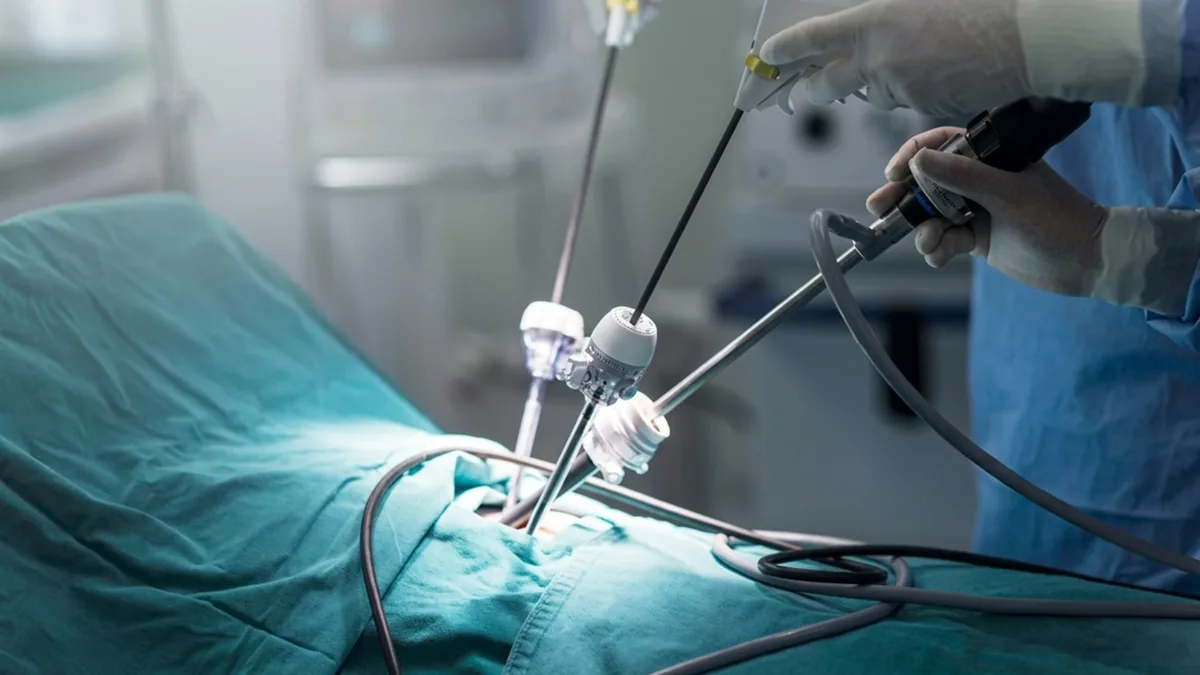
| Laparoscopy | Small cuts (one near navel); camera-guided tools seal tubes with clips, bands, or heat | 0.5-1 cm | Standalone or non-postpartum cases | Same day discharge; light activities in 2-3 days |
| Mini-Laparotomy | Small incision post-childbirth; tubes pulled out and blocked | 2-3 cm | Within 48 hours after delivery | 3-7 days for full mobility |
| Laparotomy | Larger open cut, often using C-section incision | 5-12 cm | Combined with other surgeries; rare now | 1-2 weeks |
Post-Tubectomy Care Tips for a Smooth Recovery
While it's important to follow your surgeon's specific instructions, here are some general tips that can help ensure a comfortable and healthy recovery and minimize potential tubectomy side effects:
Rest Wisely
Take naps when you feel tired, but remember to move around gently to prevent blood clots.
Pain Relief
Start with over-the-counter medications; switch to prescription painkillers only if necessary.
Hygiene
Keep your incisions clean and dry; you can usually shower after 24 hours.
Diet
Begin with light foods, start with fluids and gradually add solids to ease bloating.
Activity
Avoid driving for 24-48 hours after anesthesia. Intimacy can typically resume after a week.
Contraception Backup
Use another method until your follow-up confirms that your tubes are fully blocked.
Common Questions
What about periods? Your menstrual cycle should continue as normal since hormone levels remain unaffected.
And pregnancy? It's very rare (only about 1 in 200-300 cases over a decade), but if it occurs, there's a higher risk of ectopic pregnancy. Seek medical attention immediately if you experience unusual pain or bleeding.
Is Tubectomy Right for You?
Tubectomy offers women a reliable, hormone-free solution to put an end to fertility concerns. It's not just safe and effective; it can truly transform lives for those who are ready to take that step.
When you compare it to options like IUDs or vasectomy, it's important to have a chat with a specialist to find what fits best with your lifestyle. If you're looking for tailored advice on tubectomy or other family planning methods, the team at Unittas Hospital is here to support you.
Planning your pregnancy care?
Unittas offers end-to-end pregnancy & maternity packages in Chennai.
Get Expert Care at Unittas Hospital
Our caring specialists are here to guide you through every step with safe, evidence-based care.