


Quick Navigation
Childbirth is one of those incredible moments in life, a blend of joy, excitement, and, let's be honest, a few nerves. As you get ready for that unforgettable day, you might find yourself curious about different aspects of delivery, like the term episiotomy. It's something you might hear in prenatal classes, but what does it really mean for you and your baby?
We'll break it down in simple terms, using the latest information to help you feel more informed and confident. Whether you're a first-time mom or welcoming another little one, understanding episiotomy can help ease some of those pre-labor worries.
What is an Episiotomy?
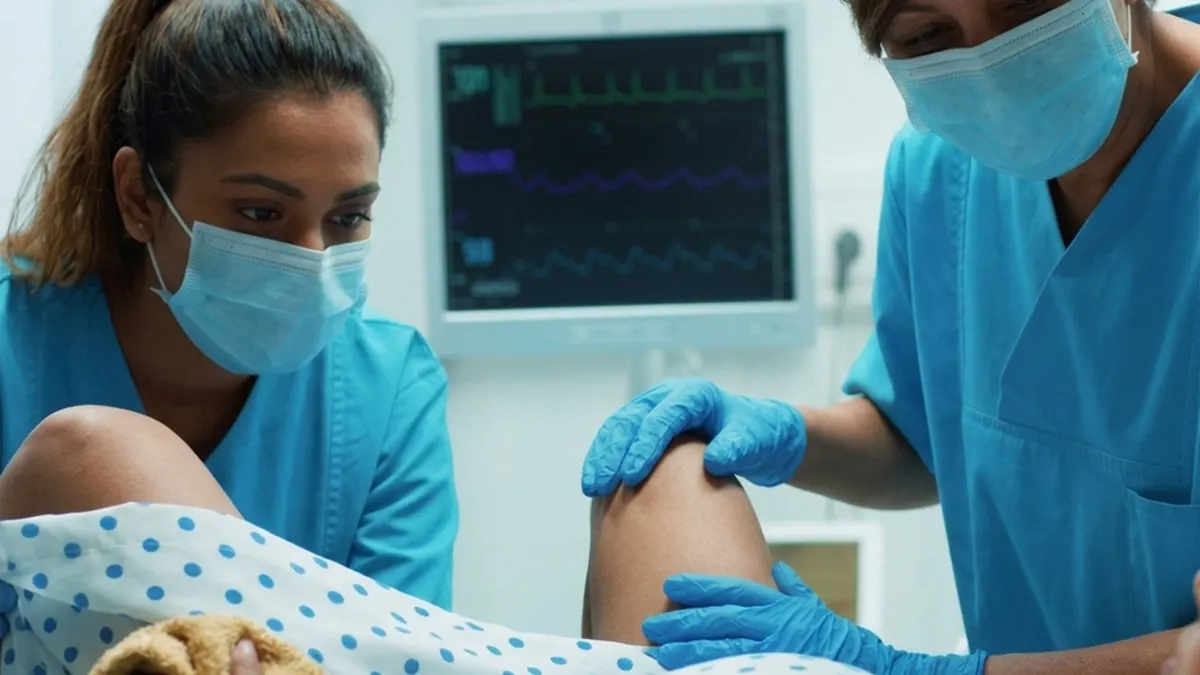
Picture yourself in the delivery room, and everything is moving along, your body is doing its amazing work to bring your baby into the world. Sometimes, to make that final stretch a bit easier, healthcare providers might perform an episiotomy. This is a small surgical cut made in the perineum, the area between your vaginal opening and anus, to help widen the birth canal.
The goal is to assist your baby in making a smoother entrance and to potentially prevent uneven tearing.
Important Statistics
Recent studies show that while episiotomies used to be quite common, their frequency has significantly decreased. Now they're done in only about 12-15% of vaginal births in many areas, thanks to changing medical practices that prioritize natural delivery whenever possible. It's not a standard procedure anymore, doctors only consider it when it's genuinely beneficial for you and your baby.
When Might You Need an Episiotomy?
Every birth story is one-of-a-kind, just like the reasons an episiotomy might be necessary. It's not a decision made lightly, it's reserved for those moments when it can truly make a difference. Here are some common situations where it might be suggested:
- Your baby is showing signs of distress and needs to be delivered quickly for their safety
- Labor has been long and tiring, leaving you feeling exhausted and in need of some help
- Instruments like forceps or a vacuum are needed to assist in guiding your baby out
- The baby is in a breech position (bottom or feet first) or facing shoulder dystocia
- Your little one is on the larger side, making the delivery more challenging
- You've been pushing for a while without much progress, or managing those pushes feels overwhelming
Research Insight
Research shows that in these situations, an episiotomy can help reduce complications. However, the overall rates have dropped to as low as 10-20% in modern obstetric care, highlighting the importance of using it selectively rather than as a routine practice.
How Does the Episiotomy Procedure Work?
If an episiotomy is necessary, it usually happens right in the middle of labor, and it's quicker than you might expect. Your doctor will make sure you're comfortable first, often using local anesthesia to numb the area or taking advantage of an existing epidural.
As your baby's head starts to crown (that's when it becomes visible at the vaginal opening), a careful cut is made with specialized scissors. Once your baby and the placenta are delivered, the area is stitched up with absorbable sutures that will dissolve on their own.
What to Expect
The entire episiotomy procedure is managed to keep discomfort to a minimum. Many moms say that with the right pain management, it's quite manageable, and recovery begins almost immediately.
Exploring the Types of Episiotomy
Not all episiotomies are created equal, your doctor will choose the type of episiotomy based on your unique situation, like your anatomy or how labor is progressing. There are two main types, each with its own pros and cons.
| Type | Description | Advantages |
|---|---|---|
| Median (Midline) | A straight vertical cut from the vaginal opening toward the anus | Simpler and quicker to perform; tends to involve less blood loss |
| Mediolateral (Diagonal) | An angled cut at about 45 degrees toward the buttock | Less risk of tearing into the anus or rectum; provides more space for delivery, possibly avoiding extra interventions |
The Benefits of Episiotomy: When It Helps
While it's not always a must, an episiotomy can really make a difference in certain deliveries. Here's why it might be a good option:
- It creates a neat, controlled opening, which can reduce the chances of jagged, unpredictable tears that might take longer to heal
- In urgent situations, it can help speed things up, allowing your baby to arrive more quickly and easing the stress for both of you
- It often results in less overall strain on the perineal tissues compared to severe natural tearing
- By preventing larger lacerations, it can sometimes make postpartum recovery a bit smoother
Research Says
Ongoing studies suggest that when used wisely, episiotomies can lead to safer outcomes, especially during complicated labors.
Potential Complications: What to Watch For
Like any medical procedure, an episiotomy can come with some potential side effects, but most of them are manageable with proper care. Being aware of these episiotomy complications can help you catch any issues early:
Bleeding
Bleeding at the site, which usually stops quickly but should be monitored.
Infection Risk
A risk of infection if the area isn't kept clean.
Discomfort During Intimacy
Discomfort during intimacy (dyspareunia) that might stick around for a while.
Rare Tissue Damage
Rarely, there could be damage to nearby areas like the rectum or anal muscles.
Swelling or Bruising
Swelling or bruising in the perineum area.
Healing Time
A longer healing time than you might expect.
Scarring
Scarring that could feel tight, sometimes requiring a break from certain activities.
Urinary Issues
Occasional urinary issues, though these often clear up on their own.
Medical Note
Recent research shows that while complications can happen in a small percentage of cases, natural tearing might lead to fewer long-term problems in uncomplicated births.
Natural Tearing vs. Episiotomy: Which Is Better?
This is a question that comes up quite often, and the answer has evolved over the years. In the past, many believed that episiotomies could help prevent serious tears and long-term issues like incontinence or a weakened pelvic floor.
However, recent research has shown a different perspective: routine episiotomies don't always provide those advantages and can sometimes cause more harm than simply allowing nature to take its course.
Current Medical Understanding
Interestingly, letting natural tearing happen often leads to quicker healing and fewer complications overall. That said, if the circumstances call for it, an episiotomy might still be the safer option. It's important to have an open conversation with your healthcare team, they're there to help you figure out what's best for your individual delivery.
Tips for a Smooth Recovery After Episiotomy
Recovering from an episiotomy requires a good dose of time, patience, and some gentle self-care. Typically, episiotomy healing time is about 2 to 3 weeks, but you might find that complete comfort takes a bit longer, depending on your body.
Recovery Tips:
- Use ice packs or cold compresses wrapped in a cloth to reduce swelling, try to keep them on for about 10-20 minutes at a time
- Enjoy warm sitz baths a few times a day; they can really help with healing and ease any discomfort
- Keep a peri bottle filled with warm water handy to gently clean yourself after using the bathroom
- Consider over-the-counter numbing sprays or witch hazel pads for some targeted relief from itching and pain
- Take pain relievers like ibuprofen or acetaminophen as your doctor suggests to stay comfortable
- When sitting, a donut-shaped pillow can be a lifesaver, taking pressure off the area
- Make sure to drink plenty of water, eat fiber-rich foods, and consider stool softeners to avoid constipation
Important Reminder
Remember, it's important to wait on sex, tampons, or anything else inserted vaginally until your healthcare provider gives you the go-ahead, which is usually around 4-6 weeks.
Planning your pregnancy care?
Unittas offers end-to-end pregnancy & maternity packages in Chennai.
Get Expert Care at Unittas Hospital
Our caring specialists are here to guide you through every step with safe, evidence-based care.